
Vegetarian diets are associated with reduced risk of colorectal cancer. During a 7 year follow-up of almost 80,000 adults, researchers found that compared to non-vegetarians, all vegetarian dietary patterns combined had significantly reduced risk for colorectal cancer (22% lower hazard ratio). Replacing red meat with vegetables, fruits, nuts and legumes will most likely help lower…
Category: Health Tip

Kids, Colds, and Vitamin D
Mongolian children had fewer winter colds when drinking milk fortified with vitamin D. Vitamin D deficiency is common in Mongolian children. This is partly because of long, cold winters, which limit exposure to the sun for many months of the year, the lack of food fortification, and the limited availability of supplements. Researchers in the…

The Skinny on Whole Grains
A meta-analysis of studies conducted between 1965 and 2010 in humans strongly suggests that the consumption of foods rich in cereal fiber or mixtures of whole grains reduces the risk of obesity, diabetes, and cardiovascular disease. However, the term “whole grain” may refer to any mixture of bran, endosperm and germ one would expect in…

Nuts for Longer Life
Nut consumption may be a cost-effective way to improve cardiovascular health. Nuts are a rich source of nutrients and may be a health-protective food. Most early studies on nuts were done in white, high socioeconomic populations. Researchers have now found the same is true in lower socioeconomic, multi-ethinic populations in both the U.S. and China….

Not So Fast with the Alcohol
Alcohol is no longer seen as beneficial for heart disease risk. Earlier research appeared to show that moderate drinkers lived longer than non-drinkers and heavy drinkers. However, many of those studies included former heavy drinkers who had poorer health than never drinkers. Research from the U.K. which removed the former drinkers from comparison groups, did…

Coffee as a Source of Potassium?
There are better ways to get potassium than from coffee. Reports are circulating on some blogs that coffee is one of the highest food sources of potassium. Fact is that that we get a lot of it from coffee because we don’t eat enough of the foods that are the best sources of this important…

Physical Activity and Parkinson’s Disease
A recent study from Karolinska Institutet in Stockholm found that moderate physical activity in everyday life reduced the risk of Parkinson’s disease compared with those who are more sedentary. Researchers compared participants who were physically active with household chores and commuting to and from work or school for two hours per week or for…

TV Before Bed – Robs Kid’s Sleep
The most common kid’s activity before bed is watching television. New Zealand researchers found that children and teens who spend the most time watching TV during the 90 minutes prior to sleep onset got less sleep than those who engaged in non-screen sedentary activities. Late sleep onset was associated with significantly more screen-based activity (TV,…

Cardiovascular Risk Reduced by Dietary Fiber
Each 7-gram increase in dietary fiber significantly lowers risk for heart disease. High dietary fiber intakes have been associated with lower risks for coronary heart disease. An analysis of 22 studies found that every increase of 7-grams in total dietary fiber (amount in 2,5 dl. bran flakes, 2 fresh apples, or 2,5 dl. of raw…

Exercise as Medicine
A study, called the Diabetes Prevention Program, found that a lifestyle intervention including physical activity and a healthy low-fat diet, which led to weight loss, was two and a half times more effective in preventing and reversing the metabolic syndrome than commonly used medicine. The metabolic syndrome is a collection of diseases which are associated…

Poor Sleep and Weight Gain
Sleep problems likely contribute to excess weight gain. A number of studies have shown that sleep-deprived children and adults are more likely to gain excess weight. Finnish researchers followed 7 322 men and women age 60 and over for seven years. After adjusting for confounding factors, they found that 1/3 of women who experienced frequent…
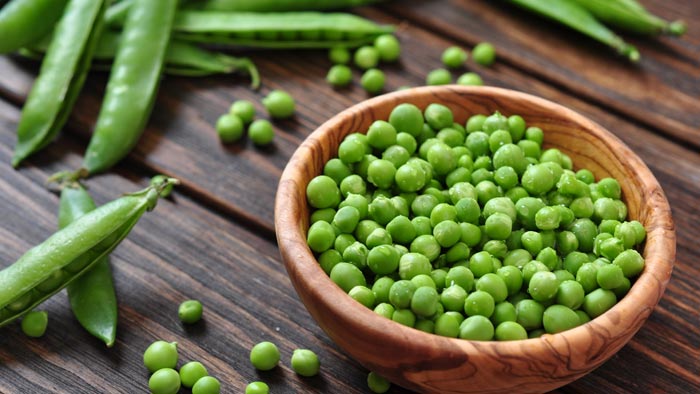
Diabetes and Beans
A study from 2012, investigated the effect of incorporating legumes as part of a low glycemic index diet for people suffering from type 2 diabetes. A low glycemic index diet is the diet that helps to keep blood sugar at a steady level. Over a period of three months, participants were encouraged to eat at…